
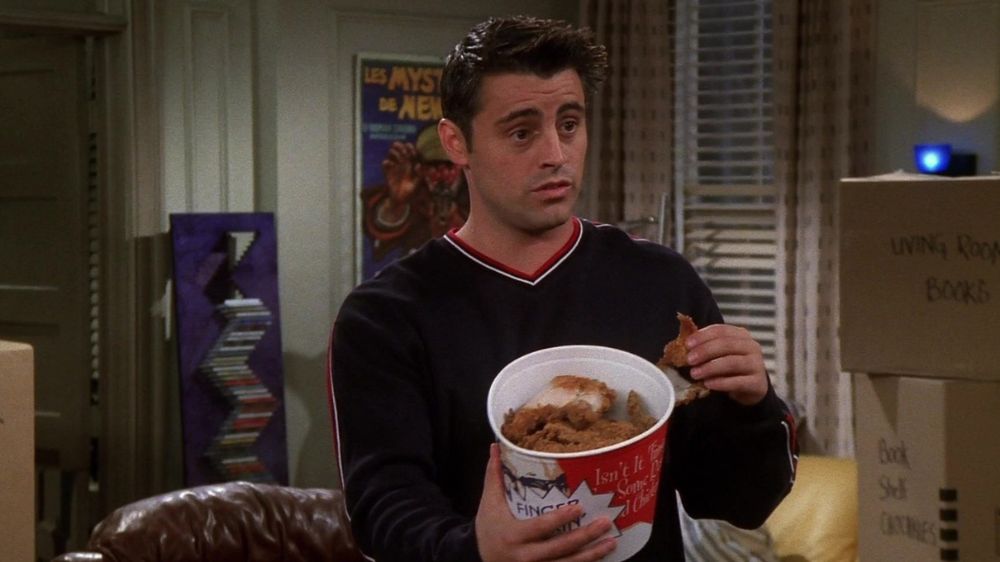
It worked because culture carried influence.
The problem is that most of the model still ends at exposure. A product appears. Someone notices it. Maybe they search for it later. Maybe they buy it. Maybe they forget it five seconds after the scene ends. The brand rarely knows which happened. That feels increasingly outdated. If a product is already part of a film, a live event, a club, an artist’s content or an athlete’s world, why should the relationship stop at being seen? Why shouldn’t the audience be able to discover the product, save an offer, access an experience, visit a retailer or buy — without turning the content itself into an ad? That is where product placement starts to become something more interesting: not placement, but participation. It is also one of the ideas behind FNTHub. A film, creator, athlete, club, brand or event can exist as its own profile. Collaborations can connect those profiles, while the audience chooses what to follow and what to act on. A brand appearing in culture can therefore create measurable value around that moment without owning the audience or interrupting the experience. The same principle changes celebrity seeding. Influence becomes more than a photograph of someone holding a product. The relationship can continue into access, rewards, retail, experiences and measurable action. The future of product placement may therefore look less like advertising technology and more like an invisible commercial layer around culture. The product can stay in the story. The audience decides whether to take it further.■
Share this article
Bong88comcom, now that’s a name I recognize. Heard mixed things, so do your research before diving in. Always good to know what you’re getting into. You can see it for yourself here: bong88comcom